The Whole Cow Comes to the Party: Butchers and Chefs Are Rethinking What Goes in the Patty
For decades, the American burger ran on one unspoken agreement: ground chuck, roughly 80 percent lean, seasoned with salt and pepper, done. It's a fine agreement. It produced a lot of great lunches. But somewhere between the smash burger boom and the rise of the whole-animal butcher shop, a new question started circulating in kitchens from Austin to Portland: why are we only using one cut of the cow?
The answer, it turns out, is habit. And the chefs breaking that habit are making the most character-rich patties in the country.
Why Chuck Won for So Long
Chuck earned its throne honestly. It's cheap, consistent, and carries a fat-to-lean ratio that behaves on a flat-top or a grill grate. When you're pushing hundreds of patties a night, predictability is currency.
But consistency has a ceiling. Chuck tastes like... chuck. Deep, beefy, a little one-note. Once you've had a patty built from short rib — with its marbling that renders into something almost buttery — it's hard to un-taste the difference.
The Butchers Leading the Raid
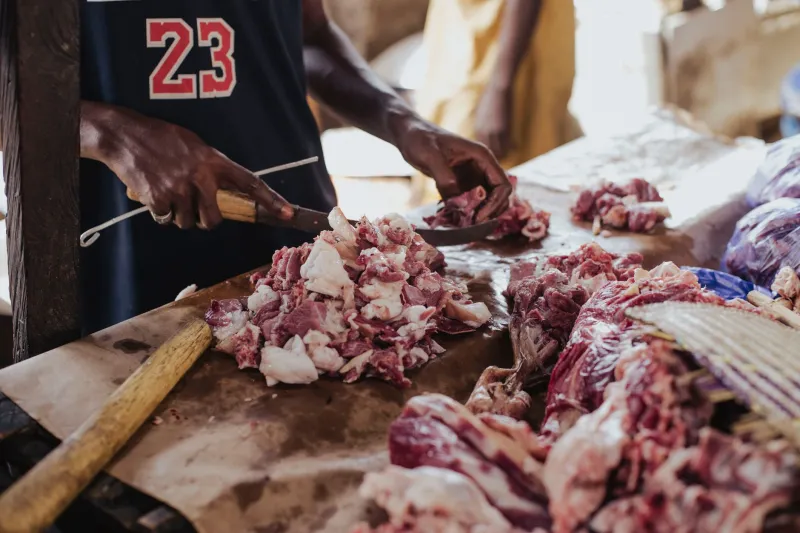
Talk to third-generation butcher shops and a pattern emerges: customers used to ask for ribeye and filet. Now they ask what's left over. "Ten years ago, trim was a disposal problem," one Midwest butcher told us. "Now dry-aged trim is the first thing chefs call about."
Dry-aged trim is exactly what it sounds like — the edge cuts and end pieces shaved off aged primals. It carries concentrated, almost funky depth that translates into patties with a flavor profile closer to a steakhouse than a drive-thru. The catch: it's inconsistent by nature, which is why the shops selling it usually grind custom blends for restaurant accounts rather than stocking it in the case.
Oxtail is the sleeper hit. It's mostly bone and collagen, but what meat is there is intensely savory. Butchers who de-bone oxtail for braising cuts end up with trim that, in small percentages, gives a blend a rich, almost braised-short-rib backbone.
The Blends That Actually Work
Not every experiment deserves a menu spot. The blends that have stuck around tend to follow a logic:
- Brisket + short rib (roughly 50/50): The workhorse gourmet blend. Brisket brings clean beefiness and structure; short rib brings fat and tenderness. If you buy one blend at a quality butcher, make it this one.
- Chuck + oxtail trim (about 85/15): A subtle upgrade. The oxtail doesn't announce itself — it just makes people ask what's different.
- Dry-aged trim blend (10–20 percent aged, the rest fresh chuck or brisket): High risk, high reward. Go over 20 percent and the funk starts tasting like a mistake. Under it, you get steakhouse depth without scaring anyone off.
Fat content still matters more than pedigree. Whatever cuts you use, aim for that 20–25 percent fat range. A blend of prime cuts at 90 percent lean will eat drier than plain old chuck at 80/20.
For the Home Grinder
You don't need a restaurant account to get in on this. A $60 entry-level grinder and a conversation with your butcher counter will do it. A few practical notes:
- Ask for the cuts whole, not pre-ground. Grind at home the same day, keep the meat near-frozen, and you'll get a cleaner texture than anything bagged in a case.
- Grind coarse first, then fine. The double grind gives you a patty that holds together without turning into paste.
- Start with brisket point. It's affordable, fatty, and forgiving. Graduate to short rib once you trust your ratios.
- Salt at the smash, not before. Salt pre-grinding changes the texture. Season the outside of the formed patty instead.
No Compromises, One Cow at a Time
There's a bigger story here than flavor, too. Using more of the animal means less waste and better economics for small farms and independent butchers — the same folks keeping regional burger culture alive. Every patty built from short rib and aged trim is a vote for a food system that uses the whole cow instead of cherry-picking it.
Does that mean chuck's reign is over? Not even close. It'll keep holding down backyard cookouts and late-night windows for good reason. But next time you're at the butcher counter, ask what else they've got. The cow has more to say than you think.