The 51/49 Rule: Why the Best Burger Joints Fight Over Every Last Bite
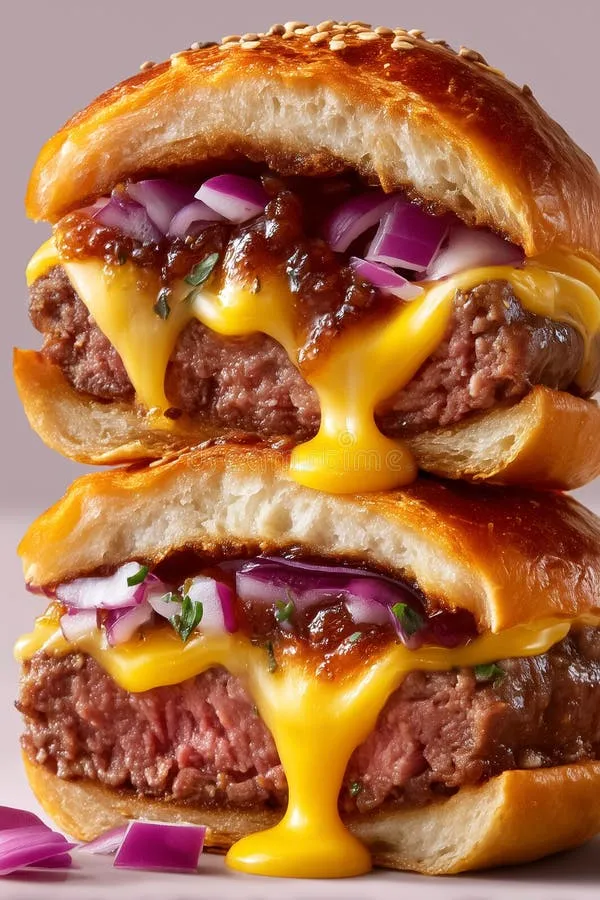
Photo: half-eaten gourmet burger cross section close up, via thumbs.dreamstime.com
Here's an uncomfortable truth about burgers that almost nobody in the industry wants to say out loud: the first bite is a lie.
That initial mouthful — the one splashed across every menu board and Instagram post in America — is the easiest part of the entire sandwich to get right. The patty is hot, the bun is intact, the lettuce still has backbone. It's the last bite, somewhere around the 51% mark and beyond, where burgers go to die. And if you pay attention, that final mouthful tells you everything about whether a burger joint deserves your return visit.
We call it the 51/49 Rule at Burger 51: the second half of your burger matters more than the first, because that's where the engineering shows. Any kitchen can win the opening act. Only great ones stick the landing.
The Anatomy of a Collapse
Ask a food scientist what happens to a burger as you eat it, and you'll get a lecture on time, temperature, and moisture migration.
"A burger is a race against physics," says one formulation chemist we spoke with who consults for regional chains. "Steam from the patty migrates into the bun's crumb structure. Sauces wick downward through capillary action. Every minute you hold that sandwich, the bottom bun is losing structural integrity. The question isn't whether it degrades — it's how slowly."
The usual suspects in a late-burger collapse:
- The Sog Factor. Juices and sauces pooling in the heel of the bun, turning it into sad, damp bread by bite four.
- The Temperature Cliff. A thin patty that's blazing hot at bite one and lukewarm by the end, taking the melted cheese down with it.
- The Slide-Out. Fillings compress and escape the back of the bun, leaving you chewing plain bread while the tomato and onion sit on the wrapper.
- The Flavor Flatline. Sauce that hits hard up front but leaves the last third tasting like nothing at all.
None of these are accidents. They're design failures — and increasingly, they're ones the best operators are actively trying to fix.
How Chefs Fight Back
Talk to serious burger builders and you'll hear the same fixes repeated like scripture.
Toast the bun harder than feels reasonable. A deeply toasted, even lightly buttered and griddled bun develops a moisture barrier. "Think of it as waterproofing," one chef told us. "A pale bun is a paper towel. A properly griddled bun is a raincoat."
Put a fat-based barrier on the heel. Mayo, aioli, even a swipe of melted butter on the bottom bun slows liquid absorption dramatically. It's the oldest trick in the burger playbook, and the chains that ignore it pay for it.
Build for drainage, not decoration. Lettuce under the patty acts as a moisture gasket. Tomato gets placed where it won't saturate the bread. Sauce goes on the crown, not pooled on the heel. Stacking isn't aesthetics — it's plumbing.
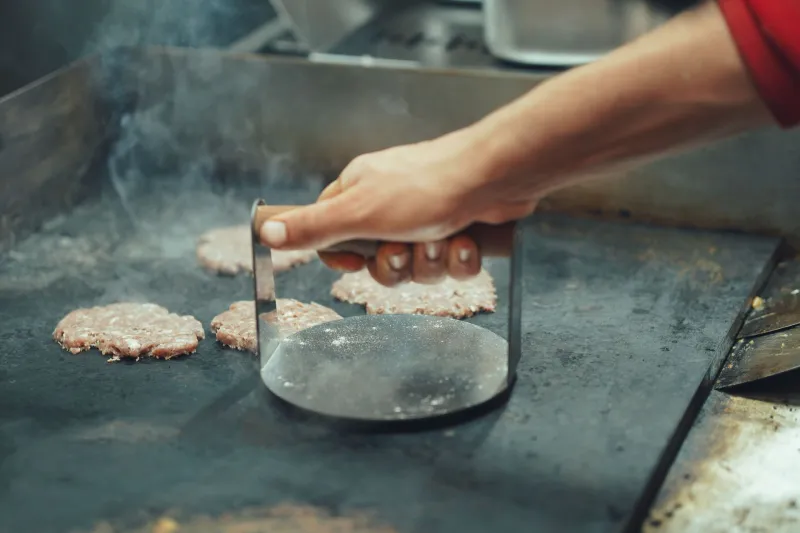
Match patty thickness to hold time. A smash burger is designed to be eaten in five minutes, thin and lacy. A three-quarter-inch patty holds heat for a fifteen-minute meal. Problems start when a restaurant builds one burger for both scenarios.
The Chain Rankings: Who Sticks the Landing?
We ate our way through the major players, judging each burger specifically on its final third. The results were humbling for some big names.
The Finishers:
- Five Guys — Wrapping the burger in foil traps steam, but the generous toasting and heavy foil fold buy enough time. The last bite still tastes like a burger, not a napkin.
- Shake Shack — The potato bun's buttery crumb resists sogginess better than most, and the sauce restraint pays off late. Consistent from first bite to crumpled wrapper.
- In-N-Out — The genius of minimalism. Less sauce and fewer wet ingredients means less to collapse. A Double-Double at minute ten is still structurally sound.
The Middle of the Pack:
- Culver's — The butter burger holds up well, though the patty's heat fades faster than we'd like on a long sit-down meal.
- Whataburger — Big, honest, and slightly leaky. The last third is a bit of a drip situation, but the flavor holds.
The Faders:
- McDonald's — The Big Mac's middle bun is a clever moisture shield, but the thin patty goes cold fast. The last bites are a temperature problem, not a texture one.
- Burger King — The Whopper's tomato and raw onion wage war on the heel. By the end, you're eating a condiment sandwich with beef memories.
Why This Matters More Than Ever
Delivery changed the math. A burger that survives ten minutes in a diner's hands faces twenty-five minutes in a courier's back seat. The brands winning the delivery wars are the ones quietly re-engineering for the last bite — sturdier buns, sauce on the side, packaging that vents steam instead of trapping it.
The lesson for home cooks is the same one the pros are learning: respect the finish. Toast that bun until it's golden and crisp. Butter the heel. Eat while it's hot, and don't let your burger sit while you snap photos.
Because a burger isn't judged by its highlight reel. It's judged by the bite you take when there's almost nothing left — and whether, scraping up the last of the sauce, you're already planning your next visit.