The Line Outside Is the Menu: What a Burger Queue Really Tells You
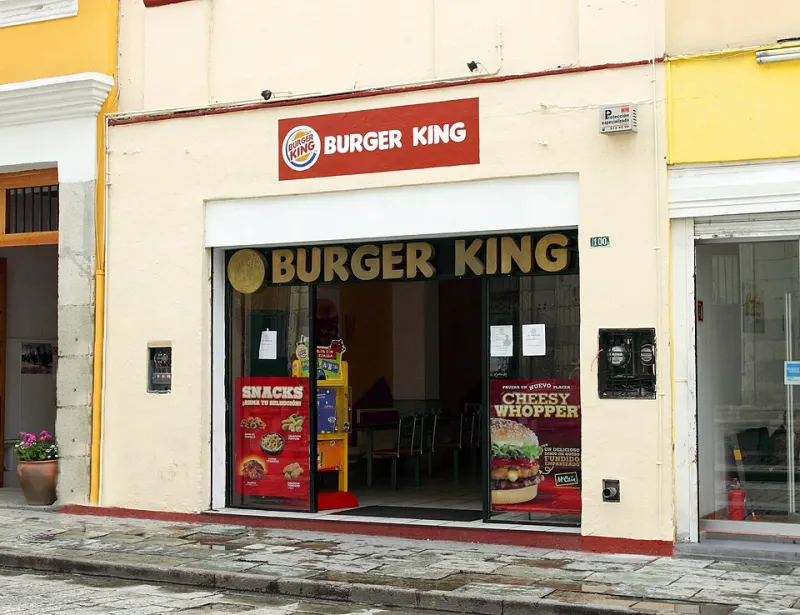
Photo: Nsaum75, CC BY-SA 3.0, via Wikimedia Commons
There are two kinds of burger lines. The first is a nuisance: a slow register, a broken card reader, a kitchen that cannot keep up. The second is a performance: a queue that wraps around the block, a host with a tablet, a text alert that tells you your burger is ready. The second kind is the one burger joints are learning to love.
In 2026, the line is no longer just a logistical problem. It is marketing. A sidewalk full of people is social proof. It tells passersby that something worth waiting for is happening inside. It tells the internet that the place is hot. It tells the customer that the burger must be good, because why else would all these people stand here? The wait becomes the appetizer.
The Sidewalk Is the First Review
A visible wait does something immediate to perception. It sets an expectation. If 30 people are waiting, the burger must be better than the place with an empty dining room. That logic is not always true, but it is hard to resist. The line is a review you can see before you taste anything.
Operators know this. Some design their pickup windows to face the street. Some put the grill near the front so the smoke and sizzle reach the sidewalk. Some use a host to manage the queue and keep the energy high. The line is not an accident. It is part of the show.
But a line is also a promise. If the wait is long and the burger is ordinary, the disappointment is sharper. The line raises the stakes. It makes the first bite a verdict.
Anticipation Has a Flavor
Psychologists call it anticipation. We call it being hungry. Either way, the wait changes how food tastes. When you wait for something, your body gets ready for it. Your mouth waters. Your attention narrows. The first bite lands with more force. That is why a burger eaten after a 20-minute wait can taste better than the same burger eaten in five minutes. The wait is not just delay. It is seasoning.
There is a limit. A short wait can build anticipation. A long wait can build resentment. The sweet spot is different for every place. A 10-minute line outside a neighborhood spot feels like a sign of life. A 45-minute line outside a chain feels like a management problem. The burger has to be good enough to justify the clock.
Flow, Not Theater
The best operators manage the line like a kitchen. They separate pickup from dine-in. They take orders before the register. They use text alerts so people can walk around instead of standing shoulder to shoulder. They set expectations with a sign or a host. They keep the line moving. A line that moves feels shorter than a line that stalls.
The worst operators treat the line as proof of popularity and let it grow. That works for a while. Then it becomes a warning. Customers see a crowd and think, not today. Regulars stop coming because they cannot get lunch in under an hour. The line that once signaled quality now signals chaos.
The Twenty-Minute Rule
There is no universal number, but 20 minutes is a useful guide. Under 20 minutes, a line can feel like part of the experience. It gives you time to decide, time to chat, time to build appetite. Over 20 minutes, the calculation changes. People start checking their phones. They start doing math: is this burger worth 40 minutes of my day? Sometimes the answer is yes. Often it is not.
Operators can stretch the limit with hospitality. A free sample. A water station. A clear update. A place to sit. Small gestures make the wait feel shorter. They also make the customer feel respected. A line is easier to tolerate when you are not being ignored.
When the Line Becomes a Warning Sign
A line should be a byproduct of demand, not the product itself. When a burger joint starts designing its business around the queue—limited hours, confusing rules, a secret menu that only exists to create scarcity—the line stops being a signal and becomes a gimmick. Diners can feel the difference. A real line is full of people who want the burger. A fake line is full of people who want to be seen wanting the burger.
The best burger spots understand this. They let the line happen. They manage it with care. They do not make it the whole story. They know that the wait is the appetizer, but the burger is still the meal. If the line is the only thing people remember, something went wrong in the kitchen.