Sold Out Before Noon: The Strange Business of the Limited-Run Burger
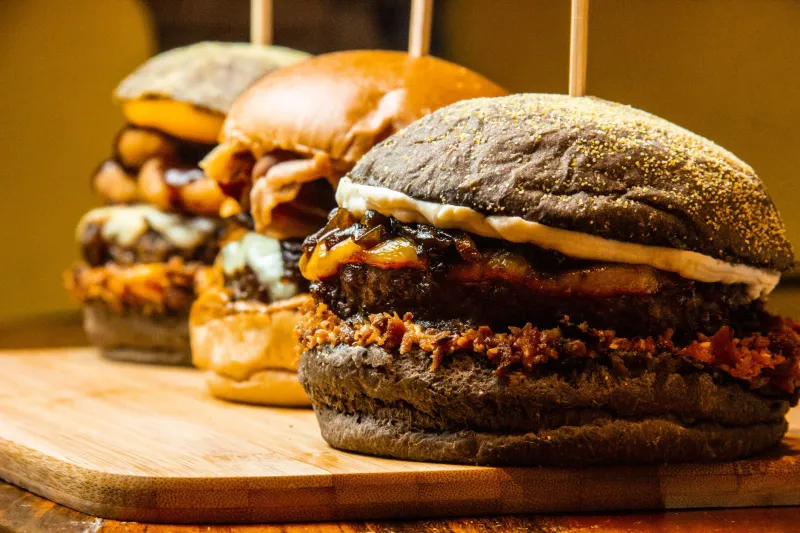
At 10:58 on a Saturday morning, the sidewalk outside a burger counter in Austin looks like a concert queue that forgot the concert. People refresh their phones, compare timestamps, and trade rumors about whether the Hatch chile number 37 will still be available at 12:04. The burger is a double smash with roasted green chile, aged cheddar, and lime crema. It is also, for reasons that have little to do with appetite, the most important thing in the neighborhood.
That scene is no longer unusual. Burger spots have borrowed a page from sneaker shops and streetwear brands: numbered releases, secret menus, social-media countdowns, chef collaborations, and strict one-per-person limits. The limited-edition burger drop has become a way for fast-casual brands to turn a kitchen into a stage and a menu item into an event. The question for diners is not whether the trend is real. It is. The question is whether the burger is worth the theater.
Why a Burger Needs a Countdown Clock
In 2026, the drop calendar is crowded. A Nashville hot chicken burger with a three-day brine. A collaboration between a Chicago burger spot and a Korean gochujang brand. A vegetarian beet-and-black-bean patty that exists for exactly one weekend. Some are genuine culinary experiments. Others are a marketing calendar with a patty attached. Both can sell out.
The mechanics are borrowed from hype retail. Announce on Monday. Tease the ingredient list on Wednesday. Post a countdown on Friday. Open at 11, sell out by 1, and let the sold-out sign do the weekend advertising. The burger becomes a conversation starter, a photo, a reason to tag a friend. The kitchen becomes content.
Scarcity Is a Seasoning
There is a real psychological effect at work. When a food is available for a short window, diners pay more attention to it. They notice the crust, the pickle, the sauce ratio. They remember the line, the weather, the friend who tipped them off. Scarcity does not make a mediocre burger taste better, but it does make a good burger easier to remember. That memory is part of the product.
Restaurants know this. A limited run lowers risk. A chef can test a weird idea without committing to a permanent menu slot. A small shop can create a Saturday crowd without buying a billboard. A chain can act like a cult favorite for a weekend. The drop is a low-cost experiment wrapped in a high-volume event.
But scarcity also has a dark side. It can turn a normal lunch into a status game. It can push people to order faster than they can think. It can make a $16 burger feel like a deal because it came with a numbered card. And it can train customers to chase the next thing instead of enjoying the thing in front of them.
The Anatomy of a Real Drop
So how do you tell a genuine culinary event from a marketing stunt? Start with the ingredient. A real drop usually has a reason to exist—a seasonal chile, a collaboration with a baker, a cut of meat that is only available in limited quantity. The constraint is real, not invented. The burger tastes like someone had an idea, not like someone had a meeting.
Second, look at the quantity. A genuine drop is often small because the ingredient is small. A stunt is small because smallness is the point. There is a difference between a shop that sells 80 burgers because it has 80 pounds of special beef and a shop that sells 80 burgers because it wants a line. You can usually tell by asking a simple question: what happens to the leftover ingredients? If the answer is a shrug, the drop may be theater.
Third, check the follow-through. A real limited run may return next season, but it does not immediately reappear as a permanent item with a new name. It does not get stretched into a merch line before the first patty hits the griddle. It does not promise exclusivity and then sell the same sauce in bottles a week later. Consistency matters.
Finally, taste it without the phone. If the burger is good, the drop is a bonus. If the burger is forgettable, the drop is a distraction. No countdown clock can save a dry patty or a bun that gives up halfway through.
When the Hype Eats the Burger
The risk for burger joints is that the drop becomes the menu. If every weekend needs a new event, the regular menu can start to feel like the warm-up act. Staff get stretched. Quality slips. Customers learn to wait for the next thing instead of coming back for the thing they loved. A drop should be a spike, not a business model.
The best operators treat the drop as a conversation with their regulars. They announce it clearly. They set realistic quantities. They train the line to move. They do not shame people for missing out. They make the ordinary Tuesday burger just as good as the limited Saturday one. That is how a stunt becomes a habit.
For diners, the play is simple. Go if the burger sounds genuinely delicious. Skip it if the only appeal is the sold-out sign. Order the regular menu item once in a while. And if you do get the numbered burger, eat it before you post it. The drop is the new special, but the bite is still the point.