Brine and Punishment: Why the Humble Pickle Runs the Whole Burger

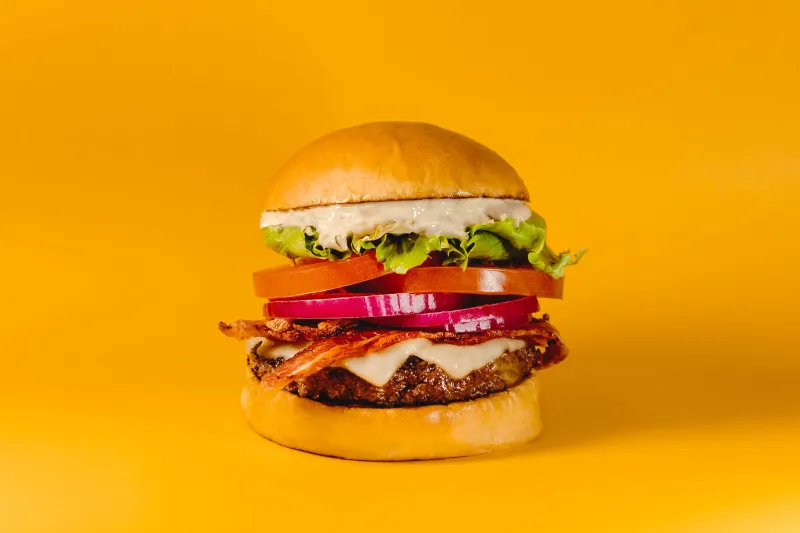
Photo: house-brined pickle slices on gourmet burger close up, via www.openhousedesigns.com
A pickle is a small, loud thing. It is also the most opinionated object on a burger. Put one on a plate and someone at the table will ask for more. Put one on a burger and someone else will pick it off with the focus of a bomb technician. Very few toppings inspire that kind of loyalty and that kind of resistance. The pickle is not a garnish. It is a referendum.
At Burger 51, we have watched this debate for years. The pickle is either the first thing people mention or the first thing they remove. It is rarely neutral. That is exactly why it deserves a closer look. The pickle is not just a sour slice. It is a tool for balance, a regional fingerprint, and increasingly a signature for chefs who want their burger to taste like something specific.
A Small Slice With a Big Opinion
The case against the pickle is usually about control. A bad pickle is a wet, sour shock that overwhelms the beef. It can make a bun soggy. It can taste like nothing but vinegar and salt. On a delicate burger, that is a problem. On a rich, greasy burger, though, a good pickle is a reset button. It cuts through fat. It wakes up the palate. It makes the next bite taste like the first.
The case for the pickle is about contrast. A burger is a study in richness: beef, cheese, mayo, buttered bun. Acid is the counterweight. Without it, the whole thing can feel heavy and flat. A pickle brings crunch, salt, and brightness in one move. It is a cheap ingredient with an expensive effect.
The Regional Pickle Map
American pickles are not one thing. They are a map. In New York, the half-sour is a deli staple: crisp, garlicky, and only lightly fermented. It brings a fresh, snappy acidity to a burger. In the South, bread-and-butter pickles show up with their sweet-hot brine, a natural match for barbecue sauce and pulled pork. In the Midwest, the classic dill spear is almost a table setting. In Texas, pickled jalapeños and carrots often do the work. In California, you might find pickled onions or a bright, vinegary house blend.
Each style changes the burger. A half-sour adds a clean, almost grassy tang. A bread-and-butter pickle adds sweetness and spice. A classic dill adds a familiar, salty punch. A pickled jalapeño adds heat and acid at the same time. The pickle is not a default. It is a choice.
Why Acid Makes Richness Taste Better
Food science backs up what your mouth already knows. Fat coats the tongue. Acid cuts through that coating. The result is a kind of reset: the next bite of beef tastes beefier, the cheese tastes sharper, the bun tastes sweeter. A pickle also adds salt, which amplifies flavor, and crunch, which adds texture. That combination is why a pickle can make a burger feel lighter without making it feel less indulgent.
There is a limit. Too much acid and the burger turns sour. Too little and it feels heavy. The best pickle is the one that sits in the background and then shows up when you need it. It should be crisp, not mushy. It should taste like cucumber and brine, not just vinegar. It should be cold, or at least not warm. A warm pickle is a small tragedy.
House-Brined vs. The Commodity Crunch
A commodity pickle is consistent. That is its job. It is salty, sour, and crunchy in a way that is designed to survive a food-service line. There is nothing wrong with that. A classic burger joint can build a loyal following on a reliable dill slice.
A house-brined pickle is a different project. It has personality. It might be fermented for a week or quick-pickled overnight. It might use rice vinegar, apple cider vinegar, or a blend. It might include garlic, mustard seed, dill, chile, or sugar. It might be cut thick or thin, speared or sliced. It might be the thing that makes a burger taste like it came from a specific kitchen.
Chefs are leaning into that. Some are treating pickles as a signature: a house brine that appears on the burger, in the potato salad, and in a sidecar on the plate. Others are using pickled vegetables beyond cucumbers: onions, jalapeños, carrots, fennel, even green tomatoes. The pickle becomes a way to add acid, color, and a house point of view without adding another sauce.
When the Pickle Becomes the Brainstorm
The pickle is also a safe place to experiment. It is small enough to change without ruining the burger. A new brine can shift the whole flavor profile. A sweeter pickle can lean into a smoky burger. A hotter pickle can wake up a mild cheese. A pickled onion can add a sharp, clean edge to a mushroom burger. The pickle is a low-risk, high-reward topping.
That is why the pickle debate is so passionate. It is not really about cucumbers. It is about how you like your burger to feel: rich and mellow or bright and sharp. The pickle is a vote for contrast. And in a country that loves a big, beefy burger, a little contrast goes a long way.
So the next time someone picks the pickle off their burger, do not judge them. Just ask what they are replacing it with. If the answer is nothing, hand them a napkin. If the answer is hot sauce or pickled onions, you have found a fellow traveler. The pickle is the point, but the balance is the goal.