Melt Down: How the Right Cheese Can Transform a Gourmet Burger from Good to Legendary
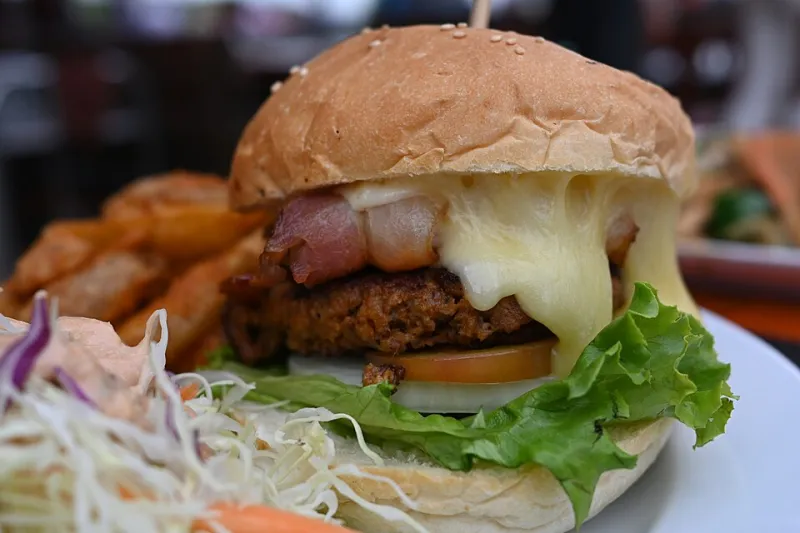
Photo: PattayaPatrol, CC BY-SA 4.0, via Wikimedia Commons
Most people treat cheese like an afterthought. You order a burger, the server asks "American or Swiss?", and you pick one without thinking too hard about it. But spend any time talking to chefs who obsess over their burgers — and there are a lot of them — and you'll quickly realize that cheese selection is one of the most deliberate choices in the whole build.
At Burger 51, we believe gourmet means paying attention to the details other people skip. And cheese? That's one of the biggest details in the stack.
Why Cheese Is Way More Than a Garnish
Let's start with the basics. Cheese contributes three things to a burger: flavor, texture, and fat. The fat content affects how the cheese melts and coats the patty. The texture determines whether you get a silky pull or a crumbly contrast. And the flavor — obviously — is what ties the whole thing together with your protein, your sauce, and your toppings.
When those three elements are in sync with the rest of the burger, something clicks. When they're not, even a beautifully cooked patty can taste oddly flat or just... off.
So how do you get it right? It starts with understanding what each variety actually does.
The Classic: American Cheese
Before anyone rolls their eyes — American cheese earns its place on this list. Processed it may be, but its meltability is essentially unmatched. The sodium citrate in American cheese keeps the fats and proteins from separating when heat hits, which is why it drapes over a smash burger patty like a glossy, salty blanket.
If you're going for a thin, crispy-edged smashburger or a classic diner-style stack, American is still the gold standard. It doesn't fight for attention — it just makes everything around it taste a little better.
Aged Cheddar: The Sharp Choice
Aged cheddar brings a nutty, tangy bite that stands up beautifully to bold proteins. Think a thick, well-seasoned beef patty with caramelized onions — aged cheddar cuts right through the sweetness and adds a savory backbone that keeps the whole thing from going one-note.
The caveat? Aged cheddar doesn't melt as cleanly as younger cheeses. The longer a cheddar has aged, the more moisture it loses, which means it can get oily or grainy under high heat. The fix: place it on the patty slightly earlier in the cook and use a lid or dome to trap steam. You'll get a better melt without the greasy slide-off.
Chefs who work with aged cheddar tend to pair it with brisket blends or higher-fat chuck ratios — proteins that can match the intensity of a sharp, assertive cheese.
Smoked Gouda: The Dark Horse
If you're not putting smoked gouda on your burger rotation, you're leaving serious flavor on the table. This Dutch cheese brings a creamy, slightly sweet smokiness that plays incredibly well with bacon, chipotle aioli, or anything with a hint of char.
Smoked gouda melts beautifully — it softens into a thick, stretchy layer rather than liquefying — and it has enough personality to hold its own without overpowering the patty. It's particularly killer on turkey or chicken burgers, where the protein can use a flavor assist.
One chef we spoke with at a Nashville burger spot described smoked gouda as "the cheese that makes people ask what's different about this burger without being able to name it." That's exactly the kind of quiet complexity that separates a memorable burger from a forgettable one.
Blue Cheese: Not for the Faint of Heart
Blue cheese is polarizing, and that's kind of the point. Its sharp, funky, almost earthy flavor is a serious commitment — but when it works, it absolutely works.
The best pairings for blue cheese lean into the contrast. A thick wagyu or beef-and-lamb blend patty, a smear of fig jam, some arugula for bitterness, and a crumble of gorgonzola or Roquefort? That's a burger that tastes like a steakhouse in a bun.
Blue cheese doesn't melt in the traditional sense — it softens and spreads, releasing its oils and intensifying in flavor under heat. Most cooks add it in the last 60 to 90 seconds of cooking, just enough to warm it through without losing its structure entirely.
A word of caution: blue cheese is aggressive. Pair it with toppings that can handle the competition, and don't try to stack it with other bold flavors. It plays best when it's the star.
Brie and Gruyère: The Elevated Options
For anyone building a more upscale or restaurant-style burger, brie and gruyère are worth serious consideration.
Brie brings a buttery, almost mushroomy richness that pairs beautifully with earthy toppings like sautéed wild mushrooms or truffle aioli. It melts into a creamy pool that coats the patty in a way that feels genuinely indulgent. It's a cheese that signals to the diner: this isn't a fast-food situation.
Gruyère, on the other hand, is a workhorse. It melts smoothly, has a slightly sweet and nutty flavor, and bridges the gap between everyday and elevated. French onion soup burgers — with caramelized onions and a gruyère melt — have become a staple on gourmet menus for exactly this reason.
Matching Cheese to Protein: A Quick Cheat Sheet
Not all burgers are beef, and your cheese choice should reflect what's actually in the patty.
- Beef (chuck blend): Aged cheddar, American, gruyère
- Brisket or wagyu: Blue cheese, smoked gouda, aged cheddar
- Turkey: Smoked gouda, Swiss, provolone
- Chicken: Pepper jack, brie, havarti
- Veggie or plant-based: Smoked gouda, sharp cheddar, brie
The goal is always balance. A lean protein needs a richer, more flavorful cheese. A fatty, indulgent patty can handle something lighter or more acidic.
The Melt Matters as Much as the Flavor
Here's something most home cooks overlook: how a cheese melts is just as important as how it tastes. A cheese that slides off the patty or pools in the pan isn't doing its job, no matter how great it smells.
For a clean, even melt at home, try these tricks:
- Add cheese in the last 1–2 minutes of cooking
- Use a metal dome or pot lid over the pan to trap steam
- For thicker cheeses like brie, slice thin so heat penetrates faster
- Bring cold cheese to room temp before it hits the heat
Small adjustments, big payoff.
The Bottom Line
Cheese is a craft decision, not a checkbox. The variety you choose, the way you melt it, and how it interacts with your protein and toppings — all of it adds up to a burger that either hits or misses.
Next time you're building a burger at home or scanning a menu, take an extra second to think about the cheese. Because at Burger 51, we've always believed that bold flavors don't happen by accident. They happen when you pay attention to every single layer.