How Adventurous Eaters Turned 'Too Weird' Burger Flavors Into the New Normal
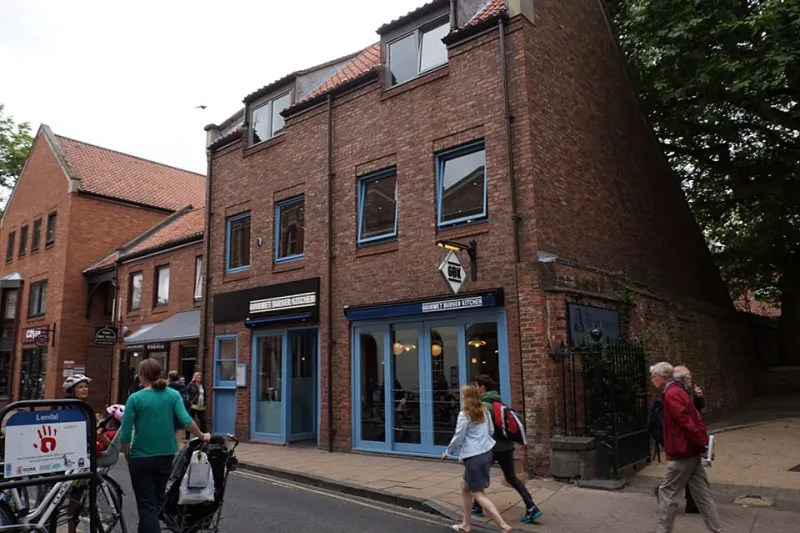
Photo: Ian S , CC BY-SA 2.0, via Wikimedia Commons
Not too long ago, a burger topped with miso-glazed mushrooms, gochujang aioli, or pickled daikon would've landed on a menu as a limited-time novelty — something to generate buzz before quietly disappearing. Today, those same flavor profiles aren't just surviving. They're anchoring permanent menus at fast-casual spots across the country.
Something shifted. And it didn't happen overnight.
The Palate Upgrade Nobody Saw Coming
Spend five minutes talking to any chef who's worked the burger station over the past decade, and they'll tell you the same thing: customers started asking better questions. Not just "what's on it?" but "what's in the sauce?" That curiosity changed everything.
Food culture in the US has been quietly leveling up for years, fueled by a mix of cooking videos, global travel, immigrant-owned restaurants bringing new flavor traditions into the mainstream, and frankly, a generation of eaters who grew up eating more than just ketchup and yellow mustard. By the time Instagram made food a spectator sport, American diners were already primed to want more.
The result? Umami stopped being a word only chefs used. Fermentation became a selling point. Heat — actual, complex, layered heat from things like calabrian chilis, yuzu kosho, or berbere spice — started pulling people in rather than pushing them away.
What the Menus Are Actually Telling Us
Menu data from the last few years paints a pretty telling picture. According to Datassential, a food industry research firm, menu mentions of ingredients like miso, kimchi, and harissa have grown significantly at chain restaurants over the past five years — with harissa alone appearing on nearly three times as many menus as it did in 2019. These aren't white-tablecloth ingredients anymore. They're showing up at fast-casual counters in strip malls.
Burger-specific menus have tracked that same movement. Truffle aioli used to be the edgiest thing you'd find at a mid-tier burger spot. Now it's practically the safe choice. The new frontier is fermented black garlic mayo, smoked chili crisp, and house-made XO sauce slicked across a brioche bun.
"Five years ago, if I put a burger with Korean BBQ beef and pickled cucumber on the menu, I'd hear 'what is this place trying to be?," says one regional burger concept owner based in Nashville. "Now that same burger is my number-one seller. People just... get it now."
Fusion Isn't a Dirty Word Anymore
For a while, fusion cuisine carried a bit of a reputation problem in American food culture — associated with overcomplicated dishes that tried too hard and landed nowhere. But the version of fusion happening in the burger world right now feels different. It's not fusion for the sake of novelty. It's fusion because it actually works.
Think about what a smash burger does structurally: it's all about the crust, the fat render, the char. Now layer in a Thai-inspired peanut sauce, crispy shallots, and a hit of fish sauce caramel, and you're not confusing the burger — you're amplifying it. The technique stays American. The flavor logic borrows from somewhere else. And the result is something that feels both familiar and genuinely exciting.
That's the formula a lot of the most successful burger innovators have landed on. Respect the format, push the flavor.
Why 'No Compromises' Became a Standard, Not a Slogan
Here's the part that's really interesting from a business perspective: bold flavors used to be a differentiator. A way for a smaller, independent spot to carve out space against the big guys. The pitch was essentially, "we're not like the chains — we actually take risks."
But that gap has closed considerably. Larger fast-casual brands, watching the independents win loyal followings with adventurous menus, started paying attention. R&D teams got bigger budgets. Collaborations with well-known chefs became more common. The result is that chains which once played it safe are now dropping limited-edition burgers with mole sauce or yuzu-pickled onions, and those items are moving.
The floor has risen. What used to be a bold move is now table stakes for anyone trying to compete in the gourmet burger space. A burger spot that still relies entirely on the classic bacon-cheddar combo without any point of differentiation isn't playing it safe anymore — it's just falling behind.
The Customer Is Doing the Heavy Lifting
Perhaps the most underrated part of this whole shift is that consumers themselves drove it more than the industry did. Restaurants respond to demand, and demand has been loud.
People who grew up eating pho, birria, jerk chicken, and mapo tofu don't experience a burger topped with ginger scallion sauce as a challenge — they experience it as a good idea. And as that demographic has grown as a share of the dining public, menus have had no choice but to follow.
Social media accelerated the feedback loop dramatically. A bold burger build that gets shared a few hundred times on a Tuesday afternoon becomes a line out the door by the weekend. That kind of real-time market research didn't exist a decade ago, and it's made the industry more responsive — and more willing to take flavor risks — than ever before.
What Comes Next
If the last five years were about umami and fermentation going mainstream, the next wave is already forming. Chefs and menu developers are experimenting with smoke profiles from non-traditional woods, cultured butter infusions, regional American pepper varieties, and hyper-local ingredient sourcing that tells a specific story about place.
The appetite for flavor complexity isn't going anywhere. If anything, it's growing. And the burger — endlessly adaptable, universally loved — remains the perfect vehicle for wherever that curiosity leads next.
What was once considered too experimental is now the starting point. That's not a warning. For anyone paying attention, it's an invitation.