Small Joints, Big Moves: Why Independent Burger Spots Are Winning Over America's Hungry Crowds
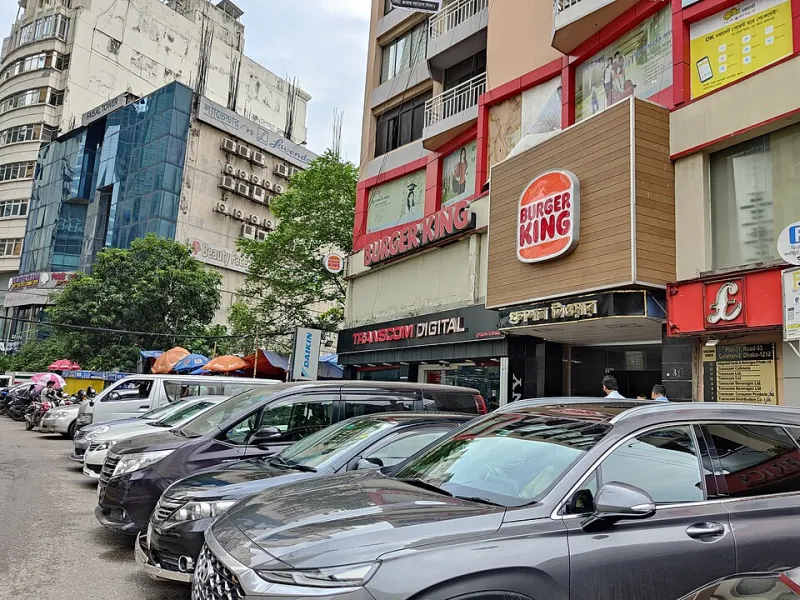
Photo: M.parvage, CC BY 4.0, via Wikimedia Commons
There's a moment that happens in most cities now — you're walking past a strip mall or down a side street, and you catch a smell that stops you cold. Smoke, caramelized onion, something rich and meaty drifting out of a spot you've never noticed before. The sign is hand-painted. The menu is short. And somehow, the burger you eat there is the best one you've had in years.
This isn't a coincidence. It's a movement.
Across the United States, independent and chef-driven burger establishments are quietly outpacing their chain competitors — not in square footage or ad spend, but in the thing that actually matters: flavor credibility. The numbers back it up. According to data from the National Restaurant Association, independent restaurants have seen a faster recovery and growth rate in foot traffic since 2022 compared to legacy fast-casual brands. And in the burger category specifically, the shift is hard to ignore.
The Chain Fatigue Is Real
Let's be honest about something. Chain burger restaurants built their empires on consistency. You knew exactly what you were getting in Toledo, Tampa, or Tacoma. That reliability was the whole pitch. But for a growing segment of American diners — particularly millennials and Gen Z eaters who grew up watching food culture explode on social media — predictability stopped being a selling point somewhere along the way.
People want a story with their food now. They want to know where the beef came from, who ground it, and why the chef decided to put miso butter on the bun. Chains, by their very nature, struggle to deliver that kind of authenticity at scale. Independent spots don't have that problem.
"We source our beef from a single ranch about forty miles from here," says Marcus Tilley, who opened Copper & Char in Asheville, North Carolina three years ago. "I can tell every customer exactly what they're eating. That's not something a franchise operator can do when they're pulling from a national distributor."
Tilley's restaurant seats 28 people, has a six-item burger menu, and regularly has a line out the door on weekends.
Chef-Driven Doesn't Mean Fussy
One of the more interesting things happening in the independent burger space is who's showing up to run these kitchens. Formally trained chefs — people who spent years working in white-tablecloth environments — are increasingly pivoting to burgers. Not because they're slumming it, but because they see the burger as a genuinely exciting canvas.
Take the smash burger trend that exploded nationally over the last few years. Chain restaurants eventually caught on and started marketing their own versions, but the technique had already been refined and elevated in indie kitchens long before the big brands ran the TV spots. Chefs were experimenting with dry-aged beef blends, clarified butter on the griddle, and aged cheddar from small dairy operations. By the time the chains caught up, the independents had already moved on to the next thing.
That innovation gap is significant. A regional chain might update its menu once or twice a year, guided by committee and consumer testing. A chef-owner can change up a special tomorrow morning if an idea hits them right.
"I ran a lamb merguez burger for two weeks last spring," says Diana Reyes, who operates a pop-up turned brick-and-mortar called The Press in Austin, Texas. "It sold out every single night. Could I have done that at a franchise? No chance. But here, I can respond to what's in season, what my farmers have, what I'm excited about."
Community Is the Secret Ingredient
Beyond the food itself, independent burger spots have a structural advantage that no marketing budget can replicate: they're actually part of their communities. They sponsor the local little league team. They source their produce from the farmers market two blocks over. Their owners are regulars at the same coffee shop as their customers.
This kind of embeddedness creates loyalty that runs deeper than any points program. When a neighborhood joint raises its prices because beef costs more, regulars tend to understand — because they've talked to the owner. When a chain does the same thing, it just feels like a corporate decision made in a boardroom somewhere.
That personal connection also shows up in how these restaurants handle their physical spaces. Many independent spots lean into local art, regional design aesthetics, and a sense of place that makes the dining experience feel specific rather than interchangeable. You're not just eating a burger — you're eating this burger, in this city, at this place that couldn't exist anywhere else.
The Underground Isn't Underground Anymore
Call it the underground, call it the indie scene, call it whatever you want — the reality is that this movement has hit critical mass. Food media has taken notice. Serious Eats, Bon Appétit, and a dozen regional publications now run annual roundups of the best independent burger spots in major cities. Social media has done its part too, turning a great-looking burger at a tiny spot in Nashville or Portland into a viral moment that draws customers from across the country.
The irony is that success brings its own challenges. Some of the most beloved indie spots are now dealing with the pressures of expansion — whether to open a second location, whether to take on investors, whether to franchise. The ones that navigate it best seem to be the ones that stay close to their original instincts. Keep the menu tight. Keep the sourcing honest. Keep the kitchen curious.
What It Means for the Burger Landscape
None of this means chain restaurants are going anywhere. They serve a real purpose, and they do it efficiently. But the conversation around what makes a great burger in America has genuinely shifted. Quality, transparency, and creativity are the new benchmarks — and right now, independent spots are setting them.
For anyone who takes their burgers seriously, the message is simple: get curious. Seek out the spots that don't have a national ad campaign. Ask where the beef comes from. Look for the menu that changes with the seasons. The best burger you've ever had is probably not at a place you already know.
It's probably at that little spot down the street you've been meaning to try.