Home Is Where the Hamburger Is: How Your Hometown Wired Your Burger Order for Life
Somewhere between your first job and your first apartment, you probably figured out who you were. But here's a theory we'll stand behind: your burger order was locked in long before that — somewhere around age nine, in a booth with a sticky laminated menu, three exits from your childhood house.
We kept hearing versions of the same story. People move away, they grow, they evolve. Then they pull up to a drive-thru in their new city, order a burger, and feel a strange pang of disappointment. Not because the burger is bad. Because it isn't home.
So we started asking: how much of your burger identity is actually just geography?
The Map You Taste Before You Know It
Spend a little time talking to burger people around the country and the regional fingerprints show up fast.
In Iowa and much of the Upper Midwest, the loose-meat tradition — think Maid-Rite country — means a whole generation grew up believing a burger doesn't need a formed patty at all. Crumbly, seasoned, piled high on a plain bun. Ask someone from Des Moines about a smash burger and they'll politely explain that they've been eating one since 1926, thanks.
Head to New Mexico and the burger comes with a warning label of sorts: red or green? The green chile cheeseburger isn't a novelty there — it's the default. Hatch chiles roasted in the fall, layered on a quarter-pound with pepper jack, and if a transplant orders a burger "plain," locals quietly assume something went wrong in their upbringing.
In Minnesota, the Juicy Lucy flips the cheese game inside-out, and anyone who grew up in the Twin Cities learned early that molten cheese is a hazard worth accepting. Down in Oklahoma, the fried onion burger taught an entire state that onions caramelize into the patty, not on top of it. And in Sloppy Joe territory — broadly, the Midwest and parts of the South — a whole cohort of Americans equates "burger night" with a ladle of saucy ground beef over a soft bun, fork on standby.
None of these people chose their preferences. They inherited them.
The Transplant Files: Changed Orders and Unchanged Hearts
We interviewed a handful of transplants about what happened to their order when their zip code changed.
Dana, 34, Albuquerque to Portland. "I ordered a green chile cheeseburger at a fancy burger bar in Portland and the server asked, 'You want green chile on that?' Like I'd asked for gravel." Dana now drives a hatch-chile shipment home every October. "It's not a burger run. It's a supply mission."
Marcus, 41, Gary, Indiana to Atlanta. Marcus grew up on loose, well-done patties cooked by his grandmother. "Down here, everything's a juicy pink-center smash situation. Great burgers. But sometimes I overcook a patty at home on purpose. It tastes like her kitchen. My wife thinks I'm just bad at grilling. I don't correct her."
Priya, 29, born in Dallas, raised everywhere. Military kid, no single burger hometown. "I think that's why I order something different every time. I never got imprinted. Honestly, it might be the only downside of the military brat life."
Priya's the exception that proves the rule. Most people don't outgrow the flavor of where they're from — they just learn to miss it.
Comfort Food, Highway Edition
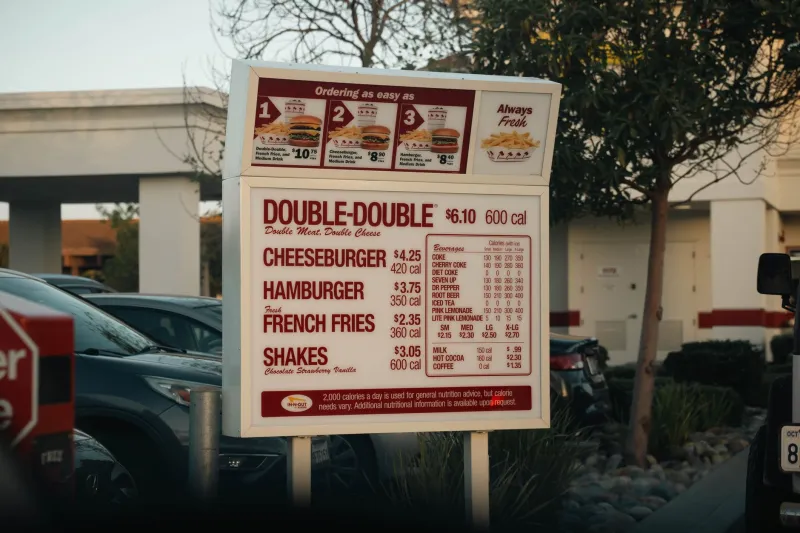
There's a reason the term "burger pilgrimage" keeps showing up in our analytics. People genuinely plan detours around the flavors of their childhood. The college student who drives forty minutes for a taste of the double-double from the chain that never existed in their college town. The retiree who routes the annual road trip through the county with the drive-in that's been using the same bun supplier since 1972.
Food psychologists have a less romantic explanation: flavor memories form early and stick hard because they're tangled up with family, safety, and routine. A burger from your hometown isn't just lunch — it's a sensory shortcut back to a specific booth, a specific parent, a specific Friday.
We think that's the whole game, honestly. Any burger can fill you up. Only your burger can take you back.
What This Means for Your Order
A few takeaways, whether you're a loyal hometown eater or a flavor refugee:
- Stop apologizing for your order. If you want your patty cooked to death like Mom did, say so with your whole chest.
- Ask what the local version is. Every region has a burger it's quietly proud of. Ordering it is the fastest way to understand a town.
- Recreate, don't replicate. You can chase an exact childhood burger forever and lose. But a loose-meat sandwich made in your own kitchen, with your own people around the table? That's close enough.
- Bring the recipe with you. Half the great regional burger styles spread because one homesick person couldn't let it go.
Your hometown made a lot of decisions for you — your accent, your weather complaints, your opinion on what counts as "cold." It also made your burger order. And honestly? Of all the things to carry across state lines, a lifelong loyalty to chile-topped beef or a crumbly loose-meat sandwich isn't the worst inheritance.
Now if you'll excuse us, someone just told us about a fried onion burger two states over, and we've got supply missions of our own to run.